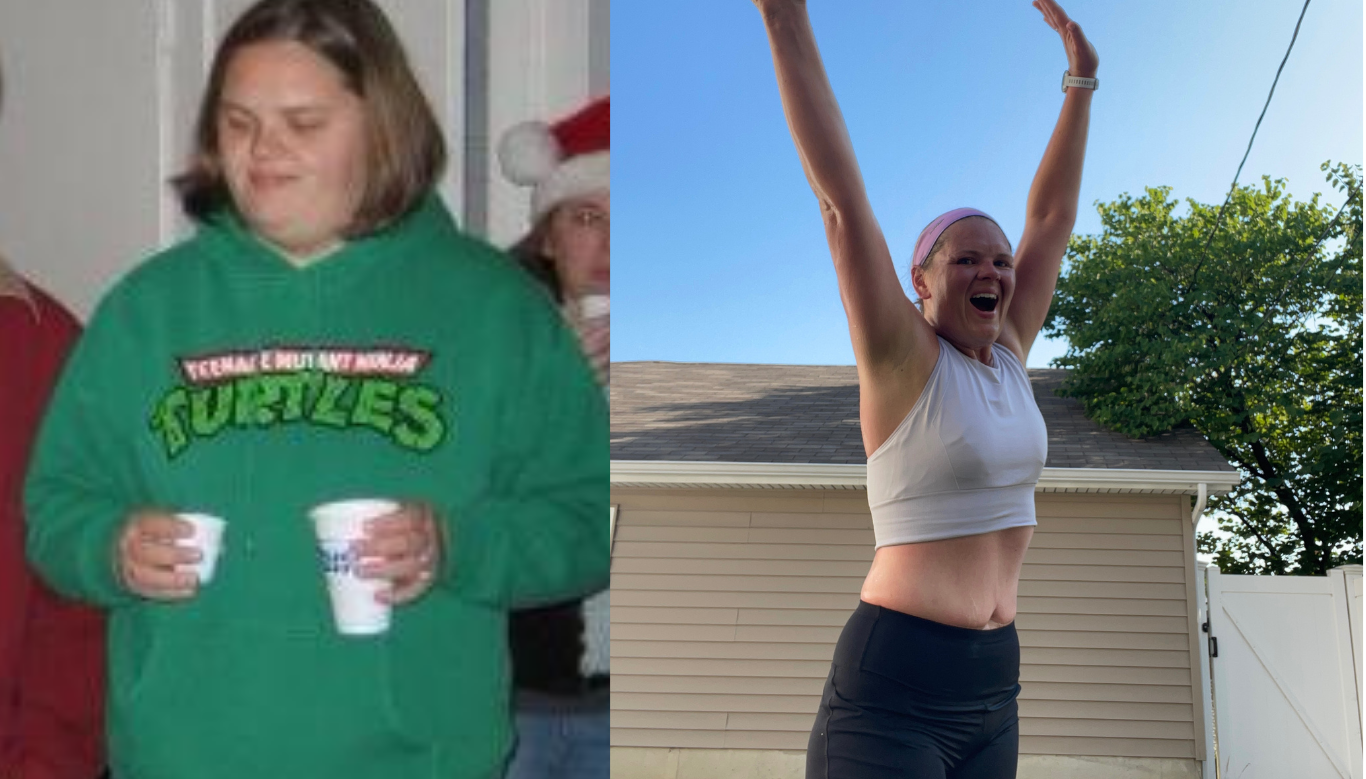
There was a time when my entire focus was losing weight.
I was always “on something.” A diet. A plan, A deadline. A push toward the next milestone. I measured progress in pounds. I looked for visible change quickly. And I truly believed that once I reached a certain number on the scale, everything would click into place and staying there would somehow be easier.
What I didn’t understand then is that losing weight and staying out of obesity are two completely different skill sets.
Weight loss is a phase. Maintenance is a way of living.
And the shift that changed everything for me wasn’t a new workout split or dialing in my macros perfectly.
It was an identity shift.
From Temporary Effort to Permanent Lifestyle
When I was obese, I wouldn’t think in the long term. I would think about the upcoming vacation, event or that glorious number on the scale.
I would start out great but I would always lose my focus. And when that happened, I slid right back into old patterns because I was still thinking like someone temporarily trying to change — not someone who had changed.
The real shift happened when I stopped asking, “How can I get to my goal weight?” and started asking, “What is the better choice I can make here that doesn't feel awful?
That question started guiding small, ordinary decisions.
I would take a short walk when I had 10 minutes to kill. I ate a lettuce wrap burger, a ton of veggies and my homemade greek yogurt “ranch” as a repeat dinner until I got burnt out on it. I went to bed a little earlier instead of just watching “one more”. I would eat out without guilt, but be mindful of my portions and the other foods I ate the rest of the day.
None of those decisions are dramatic. But they are repeatable. And that’s what makes them powerful.
Maintenance Is Mental Before It’s Physical
The habits matter — strength training, protein, fiber, steps — but what also keeps me from going back is the mindset work no one sees.
It took awhile but my brain stopped thinking that if I had a higher-calorie day, that it’s ok to blow the whole day. It took many repetitions of just not listening and going back to normal the next day. I go for my walk. I lift like I planned. I don’t “make up” for it, and I don’t spiral.
When the scale fluctuates — because it does — I don’t treat it like a crisis. I’ve learned that water retention, stress, sodium, and hormones can all show up in that number. I zoom out instead of zooming in.
When life gets busy and my structure loosens a bit, I don’t label it failure. I just tighten things back up one habit at a time. And I think “is there anything I can do to make my life easier in the future?”
That emotional regulation is the real work.
You don’t get back to obesity from one cookie, one day, or even one vacation where you go off the rails. You go back to obesity when you lose the focus on the long term.
So I’ve learned how to always keep some kind of focus, even if it is not perfect.
Thinking about the Long Term and Having “Seasons”
Another shift that changed everything was zooming out.
Instead of thinking in 30 day resets or 21 Day Fixes I thought about my health in the long term. What habits could I realistically repeat for the next 10 years? Not extreme ones. Not miserable ones. Not ones that required constant motivation or completely changing my life. Small ones that are easily repeatable.
When I first started running, I could barely run three minutes at a time. I didn’t jump to hour-long sessions. I added a few minutes. Then a few more. That’s how I built endurance. That’s how I eventually ran marathons and ultra marathons.
The same thing happened with nutrition. I didn’t overhaul everything overnight. I started adding protein to meals that didn’t have it. I swapped a super processed carb for more veggies. When I felt ready to do a little more, I did but I didn’t force it.
I also reviewed that life would give me “seasons” where I focused more on goals outside of my weight loss. I had a season for training for a marathon, another season would be more of a focus on building my small business. And yes, I have seasons where I still focus more on my calorie intake and workouts.
Regardless of the season, I keep some constant health habits, it’s just some seasons they are more ambitious than others. (I dive into this more in the next couple posts!)
Resetting Without Drama
I want to be clear about something: I am not perfect.
There are weeks when my workouts are “the best I’ve got,” not optimal. There are days when my nutrition is good enough, not dialed in. There are vacations where structure is looser.
The difference now is I don’t panic. I don’t disappear for three weeks because I had one off weekend. I don’t declare that I’ve “fallen off.” I don’t wait for Monday or the first of the month. I reset the very next meal. The very next day. The very next decision.
Maintenance isn’t about never falling off track. It’s about shortening the gap between falling off and getting back on.That skill alone has protected me more than anything else.
My Commitment to Myself
I move most days.
I eat in a balance that makes me healthy AND happy.
I strength train to be strong for life.
I keep a high because I sleep better and it lowers my stress level.
More than anything, I feel better doing these things then when I don’t.
And I do them not because I’m trying to change into someone else, I do them because this is who I am now.
In the next post, I’ll break down one of the practical systems that supports this identity: why I still track my macros in most of my seasons and how I do it without letting it take over my life.