Latest From Level Wellness

Keep up to date with news, thoughts, and information direct from Teresa Johnson of Level Wellness.

Read More
156g Protein, 50g Fiber: What a Full Day of Satiety-Focused Eating Looks Like For Me

156g Protein, 50g Fiber: What a Full Day of Satiety-Focused Eating Looks Like For Me

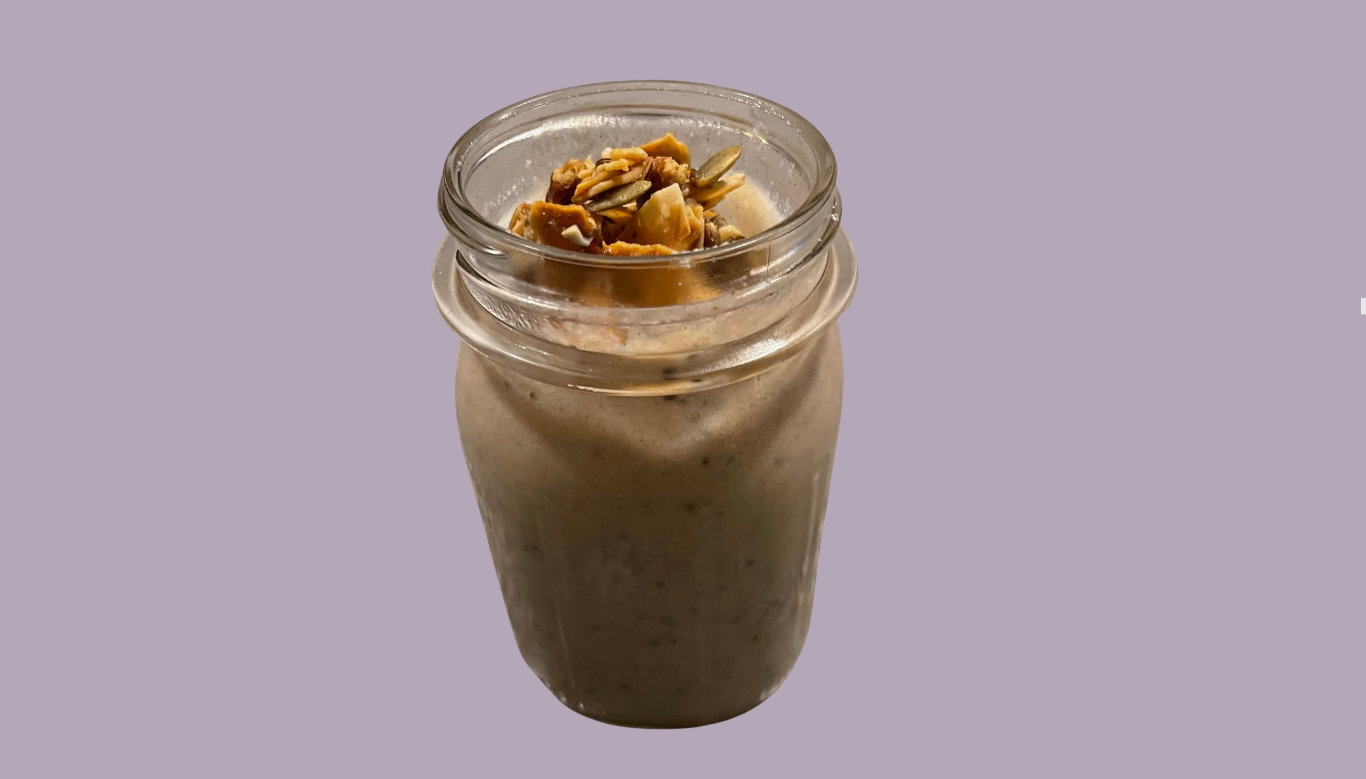
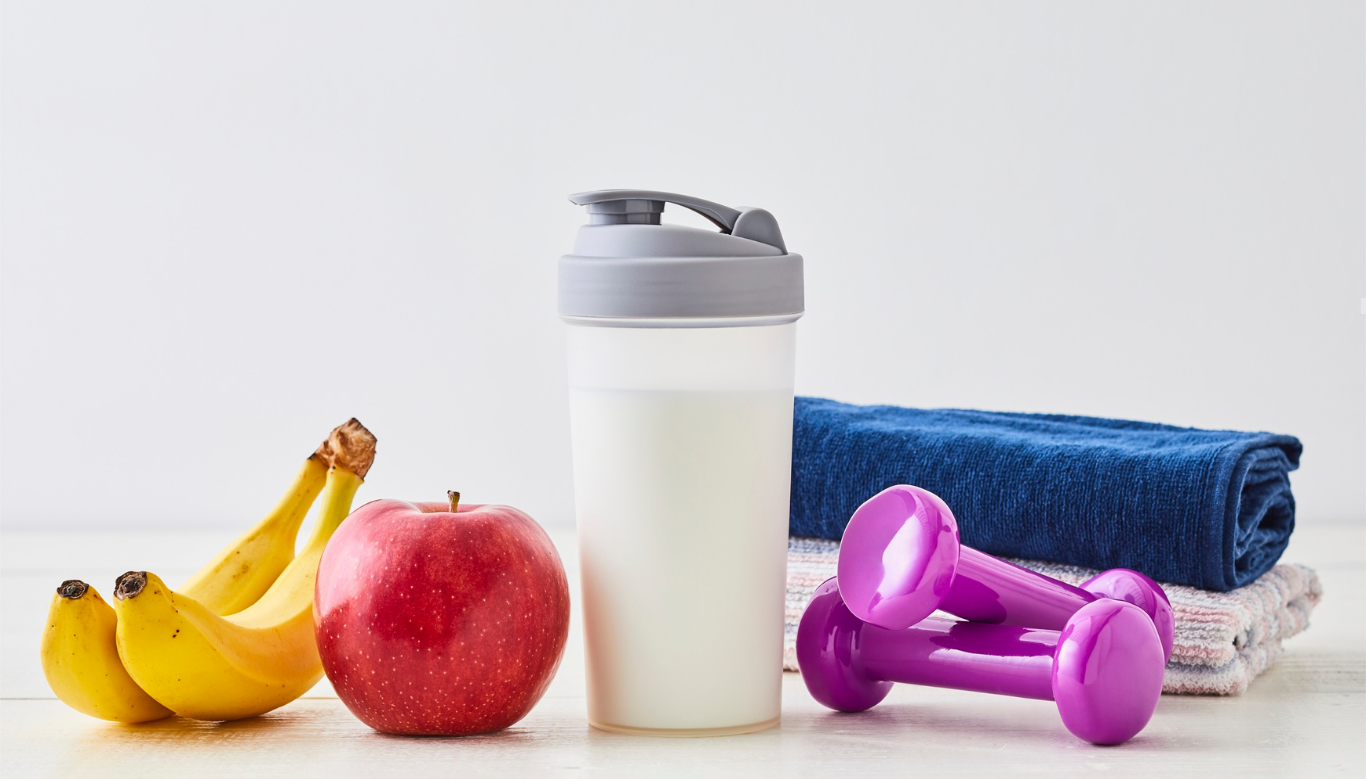
See exactly what a full day of eating looks like when prioritizing protein and fiber. In this post, I break down my personal meal rotation, featuring a Chocolate Protein N'oats recipe, a powerhouse turkey sandwich, and a versatile ground beef and sweet potato bowl. I share the specific products I use to hit 156g of protein and 50g of fiber without sacrificing flavor or variety. Whether you need to hit high numbers or want to scale these meals down to fit your personal goals, this post provides the blueprints for a day of eating that keeps you full and satisfied.
The Foundations of Nutrition- Protein and Fiber

The Foundations of Nutrition- Protein and Fiber

Stop overcomplicating your diet and focus on the two foundational nutrients that actually drive results: protein and fiber. This post breaks down why these are the key to satiety, muscle maintenance, and blood sugar stability. Includes a comprehensive reference guide of high-fiber and lean-protein foods, plus practical tips on how to gradually increase your intake for long-term success.
Staying Out of Obesity: What Actually Keeps the Weight Off. Part 4: Consistency Without White-Knuckling Life

Staying Out of Obesity: What Actually Keeps the Weight Off. Part 4: Consistency Without White-Knuckling Life

In the final installment of the March series, I'm pulling it all together to define what a sustainable life actually looks like. Maintenance isn't about "white-knuckling" your way to a permanent number on the scale; it’s about finding the sweet spot where your health habits and your happiness overlap. I’m sharing the honest truth about my own journey—how I reached a "dream weight" of 175 lbs only to realize it wasn't sustainable, and why maintaining a benchmark of 200 lbs allows me to live a full, unrestricted life. Discover why weight fluctuations are a normal part of the process and how to build a plan that prioritizes emotional regulation and consistency over perfection.
The Most Underrated Tool in My Maintenance Plan: Steps

The Most Underrated Tool in My Maintenance Plan: Steps

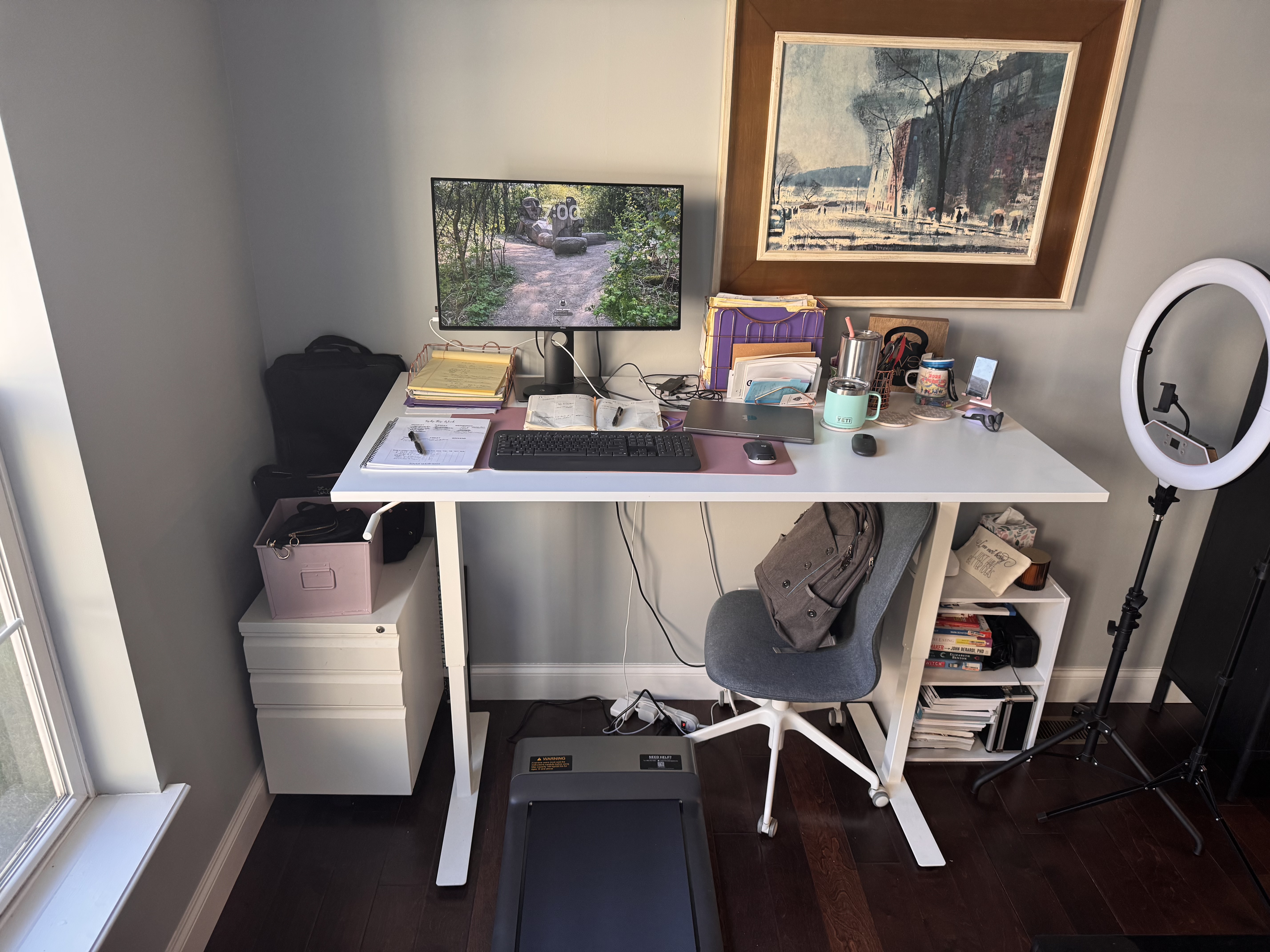
While heavy lifting and intense cardio get all the glory, the real secret to staying out of obesity isn't found in a 60-minute workout—it's found in the "quiet" movement of your daily steps. In this post, we explore why movement outside the gym matters more than people think by diving into the science of NEAT (Non-Exercise Activity Thermogenesis). I share how maintaining an 18,000-step average serves as my personal foundation for sustained energy, better digestion, and deeper sleep. Whether you're utilizing a walking pad while working from home or finding 5-minute "pockets" of movement throughout your day, this guide breaks down how to build a practical step habit that makes long-term maintenance feel sustainable rather than overwhelming.
Why I Still Track My Macros (And How I Do It Without Letting It Take Over My Life)

Why I Still Track My Macros (And How I Do It Without Letting It Take Over My Life)

Tracking macros doesn’t have to mean obsessing over numbers. In this post, I share why I still track my food after losing weight and how it helps me maintain my health long term. From prioritizing protein and fiber to pre-logging meals in MyFitnessPal, these simple macro tracking habits help me stay aware of my nutrition without feeling restricted. If you’ve ever wondered whether you need to track macros forever, this post explains how to use tracking as a flexible tool for sustainable weight maintenance.
Staying Out of Obesity: What Actually Keeps the Weight Off. Part 1: The Identity Shift (And Mindset Work) That Keeps Me From Going Back

Staying Out of Obesity: What Actually Keeps the Weight Off. Part 1: The Identity Shift (And Mindset Work) That Keeps Me From Going Back

Maintaining weight loss long term requires more than motivation or willpower. In this post, I share the identity shift and mindset changes that have helped me stay out of obesity for years. From overcoming all-or-nothing thinking to learning how to reset without starting over, these sustainable weight maintenance habits are what truly prevent weight regain. If you want to stop cycling through diets and start building lasting results, this is where it begins.
How to Reset Without Starting Over

How to Reset Without Starting Over

Think you need to start over after slipping up on your goals? This post explains how to reset without restarting. Learn how to break the all-or-nothing cycle, return to the basics, and build long-term consistency—even after imperfect weeks. If February has you feeling off track, this simple reset approach will help you move forward without extremes.
What to Do When Motivation Is Low (But Your Goals Still Matter)

What to Do When Motivation Is Low (But Your Goals Still Matter)

By February, motivation often fades—even when your goals still matter. In this post, we break down what to do when you don’t feel inspired but don’t want to quit. You’ll learn how to lower the bar without giving up, protect your non-negotiables, and separate feelings from facts so you can stay consistent through low-energy seasons. If you’ve ever struggled to keep going when progress feels slow, this is your reminder that sustainable results are built on small, repeatable actions—not constant motivation.
The 3 Basics That Actually Drive Progress (And Are Easy to Forget)

The 3 Basics That Actually Drive Progress (And Are Easy to Forget)

When motivation fades, it’s tempting to add more rules, more workouts, or more restriction. But real progress isn’t driven by extremes—it’s built on the basics. In this post, we break down the three fundamentals that actually move the needle: consistency over intensity, nutrition that supports your body, and regular movement you can maintain. If February has you feeling stuck or overwhelmed, this is your reminder to simplify and get back to what truly works.
Why February Is Where Goals Go to Die (And How to Prevent It)

Why February Is Where Goals Go to Die (And How to Prevent It)

February is often the hardest month to stick with the goals we set in January. Motivation fades, routines feel repetitive, and many people assume they’re failing when things get hard. In this post, we break down why February feels so challenging, why relying on motivation isn’t sustainable, and why this month is actually where real, lasting habits are built. If you’ve felt stuck, discouraged, or tempted to start over, this post will help you reframe February as a turning point—not a failure.
Types of Gyms Explained: Which One Fits Your Goals and Personality?

Types of Gyms Explained: Which One Fits Your Goals and Personality?

Not all gyms are the same, and choosing the right type can make a big difference in how consistent you are with your workouts. This post breaks down the pros and cons of big box gyms, community-based gyms, and boutique class studios so you can decide which environment best fits your goals, schedule, and personality.
The Benefits of Hiring a Personal Trainer (and How to Know If It’s Right for You)

The Benefits of Hiring a Personal Trainer (and How to Know If It’s Right for You)

Hiring a personal trainer can be a helpful way to gain structure, accountability, and confidence—but it’s not required for success. This post breaks down the benefits of working with a personal trainer, when it might be worth considering, and what to look for so you can decide if extra support fits your goals, schedule, and lifestyle.
What to Look for in a Commercial Gym (Before You Sign Up)

What to Look for in a Commercial Gym (Before You Sign Up)

Choosing a commercial gym can feel overwhelming if you don’t know what to look for. This post walks you through the most important factors to consider before signing up, including location, hours, equipment, crowd levels, and overall environment. You’ll learn how to choose a gym that fits your schedule and lifestyle so staying consistent feels easier—not harder.
How to Set Up a Home Gym (Without Overdoing It)

How to Set Up a Home Gym (Without Overdoing It)

Setting up a home gym doesn’t have to be complicated or expensive. This post walks you through how to create a simple, inviting home workout space that supports consistency. You’ll learn what equipment you actually need to get started (including bodyweight options), what’s optional, and how having a clear plan matters more than having the perfect setup.
Home Gym vs. Commercial Gym: Which Is Right for You?

Home Gym vs. Commercial Gym: Which Is Right for You?

Trying to decide between a home gym and a commercial gym? This post breaks down the pros and cons of both so you can choose the workout environment that best fits your schedule, preferences, and lifestyle. You’ll learn how convenience, motivation, and consistency play a bigger role than having the “perfect” setup—and why the best gym is the one you’ll actually use.
Simplify Your Strength Training: Choosing the Right Workout Split for You

Simplify Your Strength Training: Choosing the Right Workout Split for You

Choosing the right workout split doesn’t have to be complicated. In this post, you’ll learn the difference between full-body and upper/lower strength training splits, how to match your workouts to your schedule, and how to choose a structure you can stay consistent with. If you’ve ever wondered which strength routine is “best,” this post will help you simplify the decision and build a plan that actually fits your life.
Simplify Your Strength Training: Sets, Reps, and Progression — Made Simple

Simplify Your Strength Training: Sets, Reps, and Progression — Made Simple

Sets, Reps, and Progression — Made Simple Confused by sets, reps, and when to make your workouts harder? This post breaks strength training down into simple, practical terms. You’ll learn how many reps and sets actually matter, how to know when it’s time to progress, and when to move from bodyweight workouts to adding dumbbells. If you want to get stronger without overthinking or constantly changing your workouts, this guide gives you clarity and confidence.
Simplify Your Strength Training: Your First Full-Body Workout — Bodyweight Done Right

Simplify Your Strength Training: Your First Full-Body Workout — Bodyweight Done Right

You don’t need a gym or fancy equipment to start strength training. In this post, you’ll learn what a full-body workout really is, the five movement patterns everyone should train, and how to structure a bodyweight-only workout at home. You’ll also discover how to modify when exercises feel hard and how to progress over time — all without overwhelm or complicated rules.
Simplify Your Strength Training: The Best Workout Is the One You Actually Do

Simplify Your Strength Training: The Best Workout Is the One You Actually Do

Starting strength training doesn’t have to be complicated — and it definitely doesn’t have to be perfect. In this post, you’ll learn why consistency matters more than the “perfect” plan, how to choose exercises you actually enjoy, and how to build a routine that fits your life right now. With practical tips and a real-life example of how I got started, this post will help you overcome overwhelm, stop overthinking, and finally start building a sustainable strength routine.
The Holiday Sanity Series: Enjoy the Holiday… Without Letting the Leftovers Take Over

The Holiday Sanity Series: Enjoy the Holiday… Without Letting the Leftovers Take Over

Enjoy Thanksgiving guilt-free — and learn how to keep the days after the holiday from derailing your goals. This final post in The Holiday Sanity Series shares practical, realistic strategies for enjoying the meal, choosing which leftovers are worth keeping, and getting back to habits that support your health and sanity.
The Holiday Sanity Series: Move More, Stress Less

The Holiday Sanity Series: Move More, Stress Less

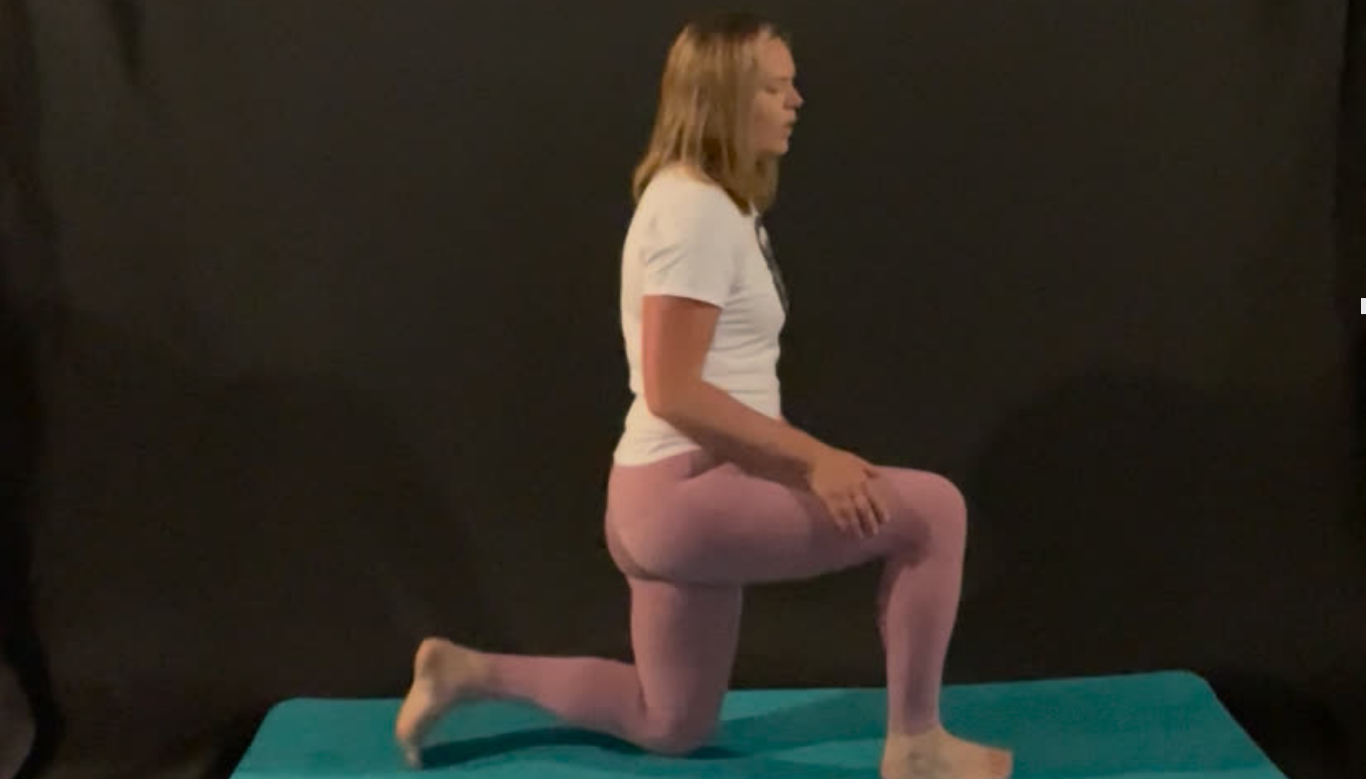
Staying active through the holidays doesn’t have to mean long workouts or strict routines. This post from The Holiday Sanity Series shares realistic ways to move more and stress less — including two quick at-home workouts you can do anytime, anywhere.
The Holiday Sanity Series: Enjoy the Food, Skip the Guilt

The Holiday Sanity Series: Enjoy the Food, Skip the Guilt

Mindful eating doesn’t mean dieting your way through the holidays — it means enjoying the food you love without guilt or overwhelm. This post helps you approach holiday meals with intention, awareness, and confidence, so you can feel your best while still savoring the season.
The Holiday Sanity Series: Start Your Season Strong

The Holiday Sanity Series: Start Your Season Strong

Staying healthy through the holidays doesn’t have to mean skipping the fun. The first post in The Holiday Sanity Series helps you start the season strong with simple, realistic habits that keep your energy up and stress down — without striving for perfection. Learn how a few consistent choices (and plenty of flexibility) can help you feel your best through the busiest time of year.
Healthy Hacks for the Holidays Returns in December

Healthy Hacks for the Holidays Returns in December

Starting December 1 and running through December 31, I’ll be sending a free daily email packed with simple, practical tips for staying healthy in small, achievable ways. These emails are quick reads, offering ideas that are easy to put into action—reminding you that health doesn’t require perfection, just small steps that add up. Again, totally FREE, I just really want to help you spend December feeling good.
Beyond the Scale: The Progress That Truly Matters

Beyond the Scale: The Progress That Truly Matters

This final post in the October blog series wraps up the conversation about why the scale doesn’t define your progress. It emphasizes the importance of focusing on non-scale victories, consistent habits, and overall well-being instead of a single number. Readers will learn practical ways to measure progress that truly matters — from strength and energy to mindset and consistency — and discover how to build a healthier, more positive relationship with the scale.