If you read the first post in this Simplifying Your Strength Training series, you already know this: the best workout is the one you’ll actually do.
Now let’s talk about what to do once you’re ready to move past “just getting started” and into something a little more structured — without jumping into anything complicated or intimidating.
Good news: you don’t need equipment.
You don’t need a gym.
And you don’t need hours of time.
You can build a strong, capable body with just your own bodyweight.
What is a “full-body workout” anyway?
A full-body workout simply means that over the course of one workout, you’re training all your major muscle groups. It doesn’t mean doing a hundred exercises or being sore for days. It means you’re choosing movements that work multiple muscles at once so your whole body gets stronger together.
This style of training is especially great when you’re newer to strength training or returning after a break because:
- You don’t need as many workout days
- You practice the same movements more often (which builds confidence)
- Your muscles recover well between sessions
- It keeps your routine simple and effective
When life is busy, full-body training also makes it easier to stay consistent — you get a lot done in less time.
The Five Movement Patterns Everyone Should Train
Instead of thinking in terms of body parts (“arm day” or “ab day”), think in movement patterns. These are the basic ways your body moves in everyday life.
A balanced full-body workout includes:
- Squat – sitting down and standing up (squats, sit-to-stands)
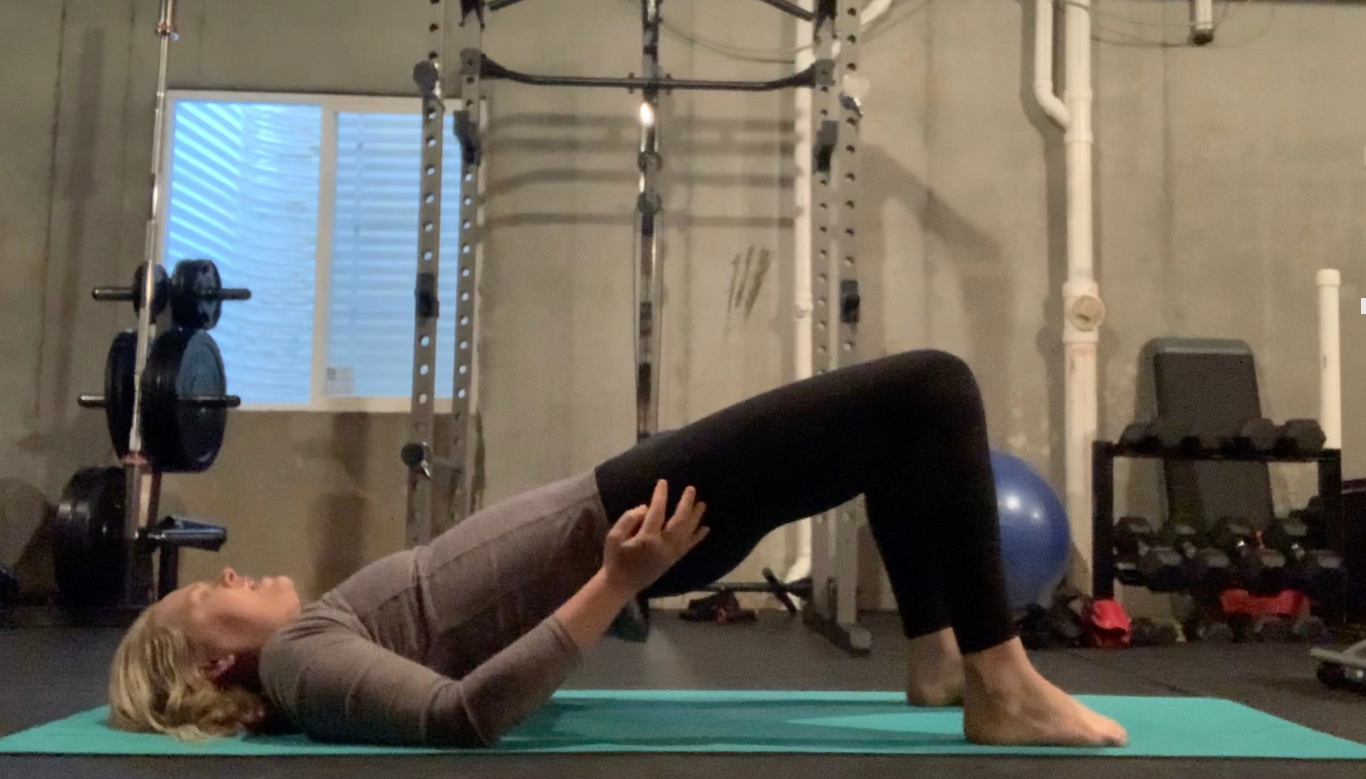
- Hinge – bending at the hips (glute bridges, hip hinges)
- Push – pressing things away (push-ups, wall push-ups)
- Pull – pulling things toward you*
- Core – resisting movement and staying stable (planks, dead bugs)
Not complicated. Just intentional.
*You’ll notice something important here: true “no-equipment” workouts don’t have many great pulling options. That’s why when I write a bodyweight-only full-body workout, I’ll usually:
- swap the pull for an extra core movement, or
- add in a cardio interval instead.
If you do want to include a pull exercise at home, you’ll need an object — and one of my favorite options is a laundry jug filled with water or detergent (which I show inside my Household Items Strength Workout). But once you add that in, you’re no longer doing a true no-equipment workout — and that’s okay too. Both are valid. Just different categories.
Sample Bodyweight Full-Body Workout (Beginner Friendly)
Since we’re keeping this truly bodyweight, this version includes extra core instead of a pull movement:
Complete 2–3 rounds:
- Squats – 8–12 reps
- Incline or knee push-ups – 6–10 reps
- Glute bridges – 10–15 reps
- Dead bugs or plank – 20–40 seconds
- Mountain climbers or march in place – 30–45 seconds
Rest as needed between exercises. This isn’t about rushing — it’s about moving well.
If you want to keep things easier, start with just one round and build from there.
What if something feels too hard?
Totally normal.
Instead of quitting, modify.
- Squats → Sit down to a chair
- Push-ups → Wall or countertop
- Planks → Knees down or shorter hold
- Mountain climbers → Slow march in place
Progression isn’t about suffering — it’s about slowly improving.
How often should you do this?
If you’re just starting:
- 2–3 workouts per week is perfect
- Rest a day between sessions when possible
Consistency matters more than intensity.
How to make it harder over time
When the workout starts to feel “easy,” that’s good — it means you’re getting stronger.
To progress, you can:
- Add 2–3 reps per exercise
- Add another round
- Slow each movement down
- Increase plank hold times
Small changes add up.
You don’t need fancy tools to get strong
Equipment can be helpful… but it’s not required. And you really want a stable foundation before you start adding load (ie weight or resistance)
Before you buy anything new, master:
- Your body
- The basics
- Consistent movement
Strength comes from training well — not owning more gear.
Want more options? Try these next
If you want variety or are ready to level up, check out 2 full workouts I wrote that require no fitness equipment (complete with videos of each exercise):
Both are part of my at-home workout blog series and give you ways to progress once you’re ready to add tools.
Coming next: sets, reps, and progression — made simple
In the next post, we’ll break down:
- What sets and reps actually mean
- How many reps actually matter
- When and how to make things harder
If you want guidance instead of guessing…
If you’d rather follow workouts without piecing things together, I offer custom Personal Training. Workouts that fit your life and are tailored to YOUR goals. Request a FREE consultation here.