At this point in the series, you’ve:
- Compared home gyms vs commercial gyms
- Learned how to set up a home gym without overdoing it
- Explored the different types of gyms and how location plays a role in consistency
Now comes the practical step: actually choosing a commercial gym.
Walking into a gym tour can feel overwhelming—especially if you’re not sure what really matters versus what just looks impressive. This post will help you walk in knowing exactly what to look for so you can choose a gym that supports consistency, not frustration.
Start With Convenience (Yes, This Comes First)
Before we even talk about equipment, ask this question:
How easy is it for me to get here consistently?
A gym can have amazing amenities, but if it’s out of the way, motivation has to work overtime.
Consider:
- Is it close to your home, work, or on your normal route?
- Does getting there require extra planning or traffic-heavy driving?
- Will the location still work on busy or low-energy days?
The most convenient gym is often the one you’ll use most—even if it’s not the fanciest option.
Check the Hours (and Be Honest About Your Schedule)
A gym’s hours should match your lifestyle, not your ideal schedule.
Look for:
- Opening and closing times that align with when you realistically work out
- Weekend availability
- Holiday hours (this matters more than people expect)
If you’re an early-morning or late-evening exerciser, limited hours can quickly become a barrier.
Equipment: What You Actually Need vs. What’s Nice to Have
You don’t need every machine in existence—but you do want enough variety to train your whole body.
Strength Training Basics to Look For
- Dumbbells (with a range of weights)
- Barbells and plates or selectorized machines
- Benches
- Squat racks or Smith machines
- Cable machines or functional trainers
If strength training is part of your plan, make sure these areas aren’t extremely limited or always overcrowded.
Cardio Options
Even if cardio isn’t your main focus, it’s helpful to have:
- Treadmills
- Bikes or ellipticals
- Rowers or stair climbers (optional)
Crowds and Layout Matter More Than You Think
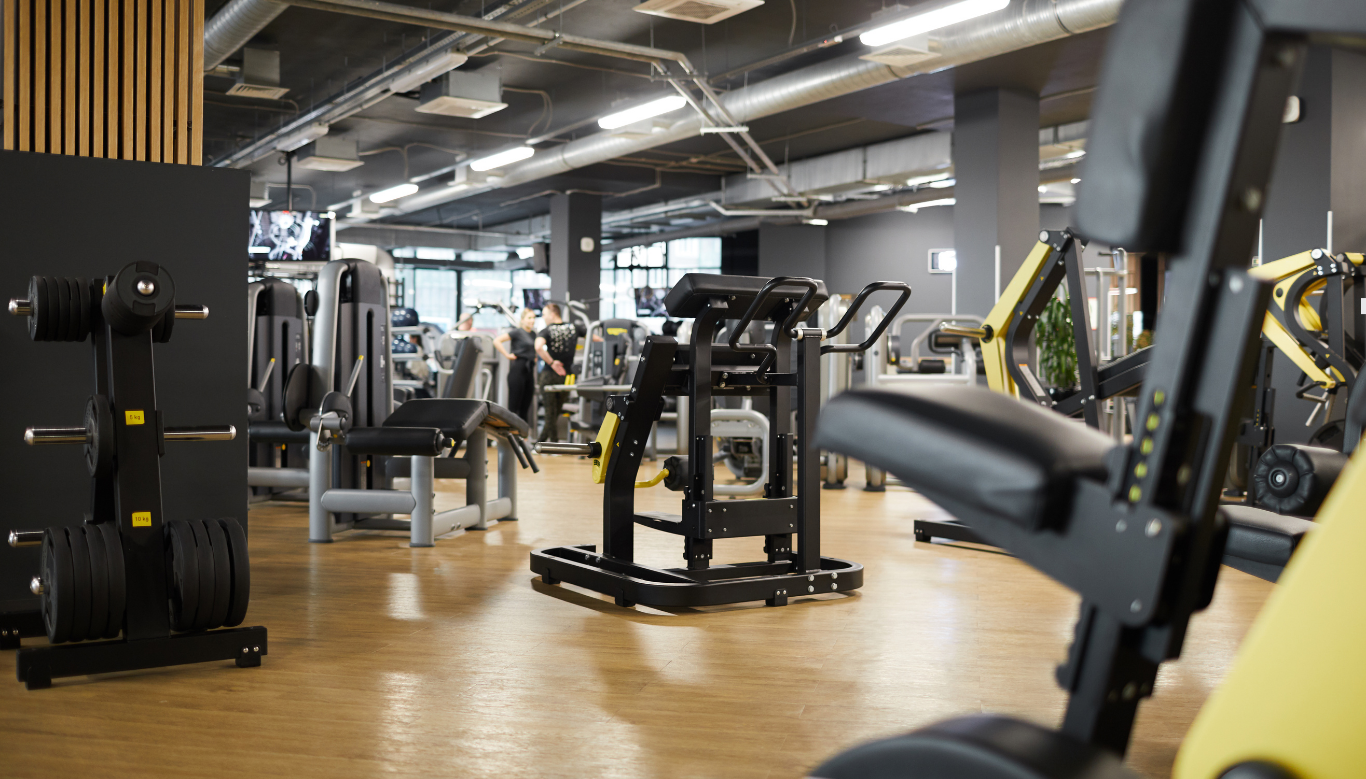
A gym might technically have what you need—but layout and crowd flow make a big difference.
During your tour, notice:
- Are weights and machines spaced logically?
- Do certain areas feel constantly congested?
- Are there enough racks or dumbbells for peak hours?
If possible, visit during the time you’d normally work out. A gym that feels fine mid-day may feel very different at 5:30 pm.
Cleanliness and Maintenance
This isn’t glamorous, but it matters.
Pay attention to:
- General cleanliness of equipment and floors
- Availability of wipes or spray
- Whether machines appear well-maintained or broken
A poorly maintained gym often signals bigger issues—and can make workouts less enjoyable.
The Environment and Overall Vibe
This part is subjective, but important.
Ask yourself:
- Do I feel comfortable here?
- Does this space make me want to move—or leave?
- Do staff seem approachable and helpful?
Some people love high-energy environments. Others prefer quieter, more low-key spaces. Neither is right or wrong—what matters is how you feel in the space.
For example, a gym like Planet Fitness may appeal to people who want a non-intimidating, casual environment, while others may prefer gyms with a stronger strength-training focus.
Contracts, Costs, and Fine Print
Before signing anything, make sure you understand:
- Monthly cost and initiation fees
- Contract length
- Cancellation policies
- Extra fees for classes, training, or amenities
The cheapest option isn’t always the best—but unexpected fees can quickly turn a “good deal” into a source of stress.
A Final Gut Check
Before committing, ask yourself:
Does this gym make consistency feel easier—or harder?
If the answer is “easier,” you’re probably on the right track.
Remember, you’re not choosing a gym to impress anyone. You’re choosing a space that supports your routine, your schedule, and your energy.
What’s Coming Next
In the final post of this series, we’ll talk about the benefits of hiring a personal trainer—and how to decide if it’s the right step for you, what to look for, and what questions to ask before committing.